Howdy Fall Pumpkin Embroidery Review
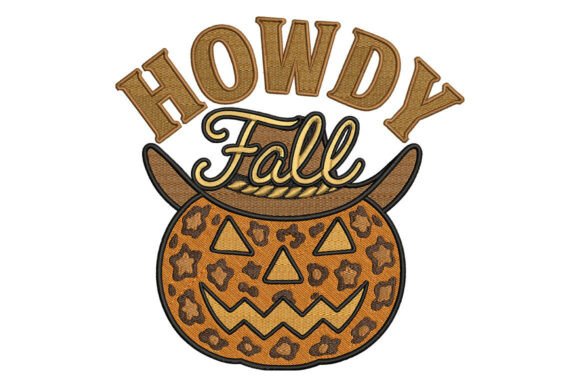
As I sit at my machine, the hum of the needle filling the quiet studio, I am evaluating the latest addition to my autumn collection: the Howdy Fall Pumpkin Embroidery. For those of us running craft fair booths or managing handmade shops on Etsy, every new design needs to pass a rigorous test before it hits the production line. It must look stunning in person, photograph well for digital listings, and be practical enough to produce in batches without constant re-hooping or thread breaks. This specific design promises a festive pumpkin with a playful leopard print pattern, topped with a western cowboy hat and the phrase Howdy Fall. On paper, it sounds like a winner for the rustic and stylish market segment. But does it hold up under the scrutiny of a professional embroidery designer preparing for a busy weekend?
First Impressions: Rustic Charm Meets Modern Edge
The first thing that strikes me about the Howdy Fall Pumpkin Embroidery is its bold personality. It is not your typical soft, muted farmhouse pumpkin. The inclusion of a leopard print pattern immediately signals a modern twist on traditional Halloween decor. When I load this machine embroidery design into my software, the visual balance between the organic shape of the pumpkin and the geometric chaos of the animal print creates an intriguing focal point. The western cowboy hat adds a layer of whimsy that appeals to a broad demographic, from country music fans to trendy boutique shoppers.
This design feels less like a seasonal decoration and more like a statement piece. It has that "Instagrammable" quality that drives foot traffic to a booth. In a sea of orange and black, the leopard print texture provides a unique visual break that catches the eye from across the aisle. However, the success of this design relies heavily on execution. If the stitch density is too low, the leopard spots will blur; if it is too high, the fabric may pucker. As an experienced maker, I know that the difference between a premium handmade product and a cheap-looking item often lies in these technical details.
Product Applications: Where Does It Shine?
When planning my table display, I need to know which products will best showcase the Howdy Fall Pumpkin Embroidery. Based on the intricate nature of the leopard print, certain applications will perform better than others.
- Tote Bags: A canvas tote bag is an ideal candidate. The sturdy fabric can handle the weight of the design, and the large surface area allows the leopard print to breathe without losing detail. This makes for a perfect tote bag design that doubles as a shopping bag for customers at the fair.
- Apron Embroidery: Placing this design on the bib of a linen or cotton apron adds a fun, rustic touch to kitchen wear. It works exceptionally well as a gift item, especially when paired with neutral-colored fabrics that let the vibrant threads pop.
- Tea Towel Embroidery: While tea towels are popular, the looped texture of some towels can interfere with fine details. I would only recommend this for tightly woven cotton towels where the stitch density won't get lost in the weave.
- Embroidered Patch: Converting this into a patch is a smart move for lower-cost items. Patches allow for dense stitching without worrying about fabric puckering on the final garment. Customers love pinning these onto denim jackets or backpacks.
- Pillow Covers: For home decor enthusiasts, a pillow cover featuring this design adds a cozy yet edgy vibe to fall living room setups. It serves as a great conversation starter.
However, I would advise caution with curved surfaces like caps. The complex curves of the pumpkin combined with the straight lines of the text might distort on a structured cap panel unless the design is specifically digitized for that curvature. Similarly, small pouches might be too cramped for the full "Howdy Fall" text and the detailed print, potentially making the design feel cluttered.
Production Realities: Stitch Density and Fabric Texture
Before committing to a batch of fifty units, I always run a test on scrap fabric. With the Howdy Fall Pumpkin Embroidery, the leopard print pattern is the critical factor. These spots require precise thread colors and careful stabilizer selection. If the background fabric is dark, the contrast of the print might suffer unless bright, variegated threads are used. Conversely, on light fabrics, the depth of the print needs to be built up with enough layers to avoid transparency.
One major consideration is the hoop size. The combination of the pumpkin, the hat, and the text likely requires a 5x7 or larger hoop. This limits the types of garments you can embroider directly without removing them from the hoop, which can be time-consuming during a rush order. For a craft fair setting, efficiency is key. I would suggest pre-embroidering patches or using pre-cut fabric panels to speed up assembly.
Furthermore, the lettering in "Howdy Fall" must remain legible. In many digital embroidery files, small text can become illegible if scaled down too much. I recommend keeping the design at its intended size or slightly larger to ensure the western font remains crisp and readable. If you attempt to shrink this to fit a small pocket, the leopard print will likely turn into a muddy blob, ruining the aesthetic appeal.
Selling Strategy: Visual Appeal and Brand Consistency
For the Etsy seller or the booth owner, the visual impact of the finished product cannot be overstated. The Howdy Fall Pumpkin Embroidery offers a distinct brand identity. It separates your shop from the generic Halloween offerings. When creating printable mockups for your online store, ensure you use high-resolution photos that capture the texture of the stitches. Customers buying commercial embroidery products want to see the quality of the work up close.
This design also encourages cross-selling. Imagine a booth display where a customer sees the embroidered tote bag, then notices a matching apron, and finally picks up a small patch as an impulse buy. The cohesive theme builds trust and increases the average order value. The rustic and stylish nature of the design aligns perfectly with current trends in cottagecore and western-chic aesthetics, making it a versatile asset for your inventory.
Final Designer Notes and Checklist
Before you launch this design into production, here are my essential recommendations to ensure success:
- Test Run: Always embroider a sample on the exact fabric you plan to sell. Check for puckering around the dense leopard print areas.
- Stabilizer Choice: Use a cut-away stabilizer for stretchy fabrics and a tear-away for wovens to support the heavy stitch count.
- Color Contrast: Verify that your thread colors provide enough contrast against your chosen fabric texture. The leopard print needs definition.
- Licensing: Confirm your commercial embroidery license terms. Ensure you are allowed to sell the finished goods and not just the embroidery file itself.
- Mockups: Create at least one real physical mockup to photograph. Digital renderings often fail to show the true dimension of the stitches.
The Howdy Fall Pumpkin Embroidery is a strong contender for the fall season. It balances nostalgia with a trendy edge, offering something unique for the discerning buyer. By respecting the technical requirements of the design and choosing the right products, you can turn this small shop product into a standout bestseller. Whether you are selling at a bustling craft fair or shipping worldwide via Etsy, attention to detail in the stitching process will define the perceived value of your finished product.